From Footstrike to Finish Line: Why Your Running Shoe Choice Matters
What runners need to know about fit, foot mechanics, and injury prevention
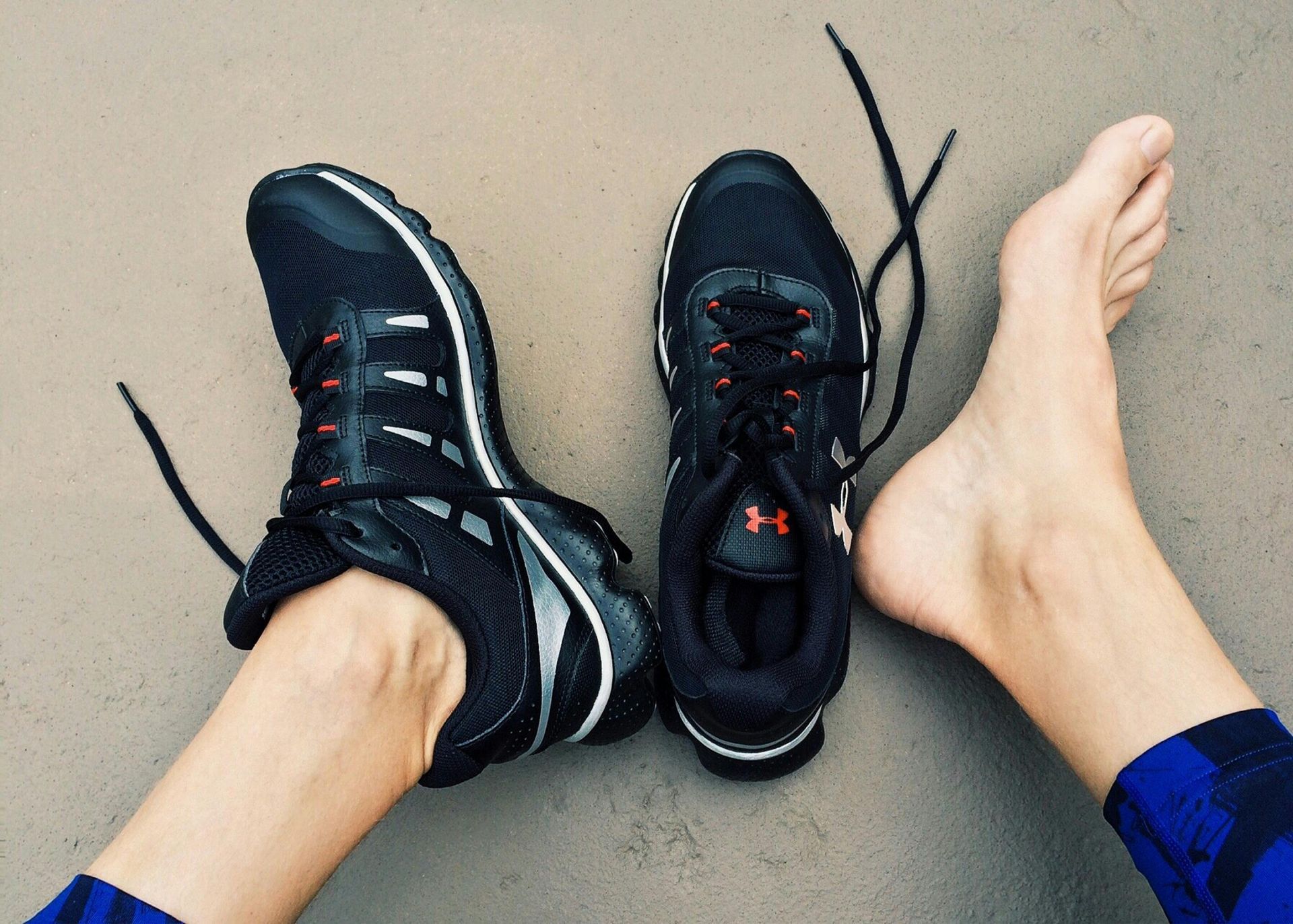
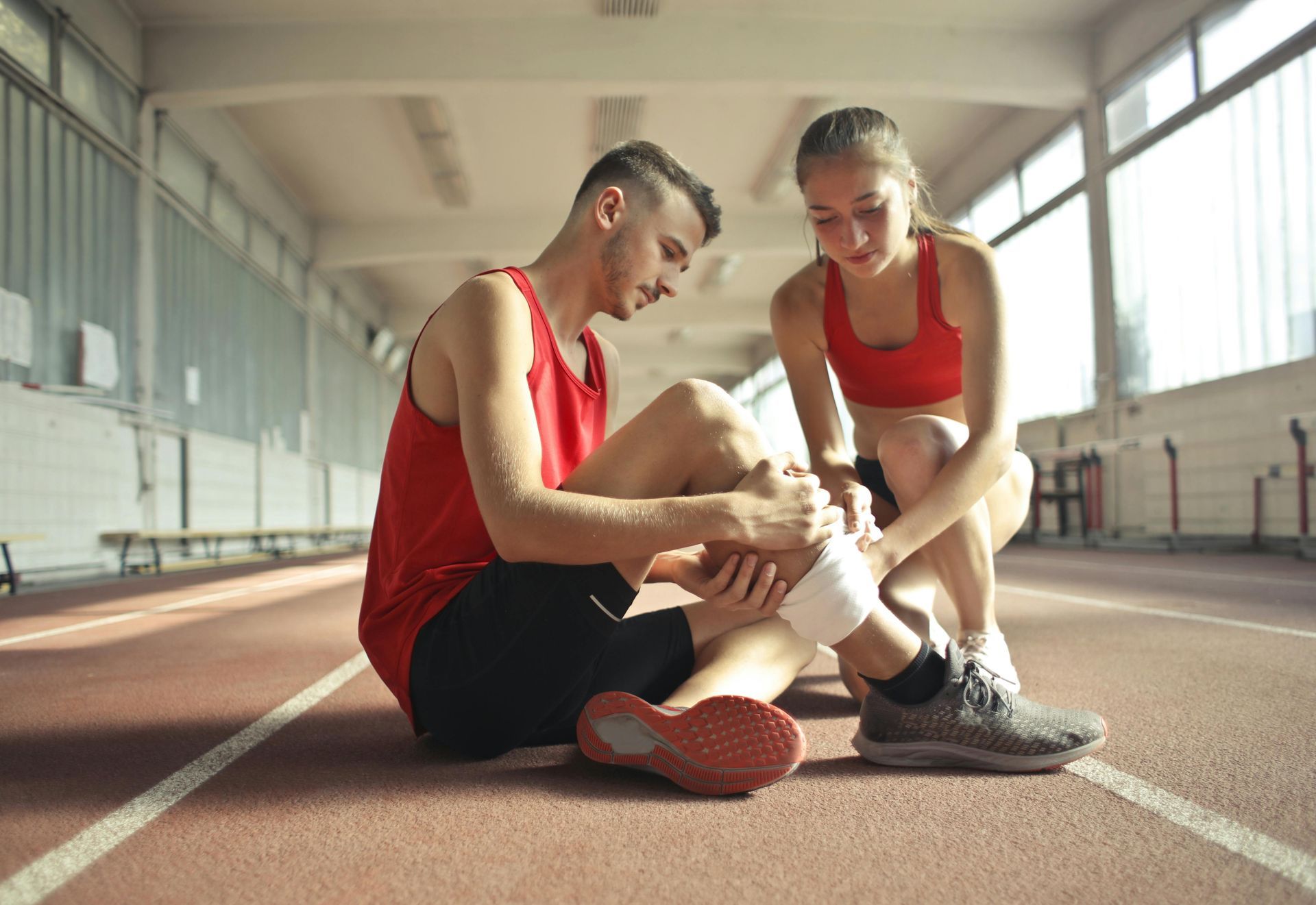
When runners get injured, one of the first things they hear is: “You probably need new shoes.”
But choosing the right running shoe isn’t about grabbing the newest model, the most cushioning, or what worked for your training partner. The right shoe depends on your foot, your strength, and how you run—and those things need to be assessed properly. That’s where a physical therapist who specializes in running makes all the difference.
👟Running Shoes Are Tools, Not Fixes
Running shoes don’t correct problems on their own. They either support good mechanics or amplify poor ones.
A shoe that’s perfect for one runner can overload tissues in another. When the shoe doesn’t match your mechanics, it can increase stress on:
- The plantar fascia
- Achilles tendon
- Calf and shin
- Knees and hips
- Low back
The goal isn’t to “control” your foot—it’s to work with your body, not against it.
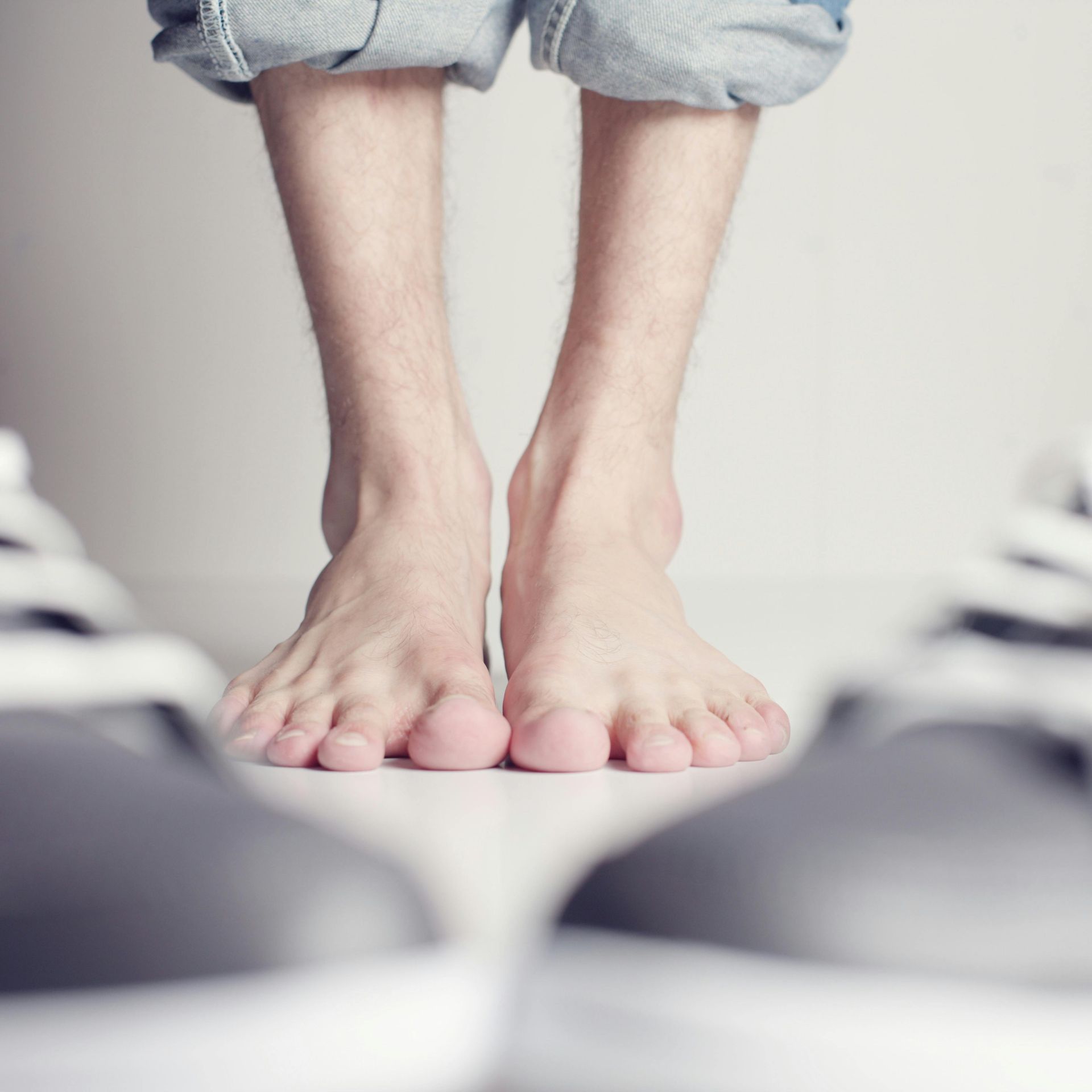
🦶Why Foot Type Alone Is Not Enough
For years, runners were categorized as “flat‑footed,” “high‑arched,” or “neutral,” and shoes were prescribed accordingly. While foot structure matters, it’s only one piece of the puzzle.
Two runners with identical arches may need completely different shoes based on:
- How their foot moves during stance
- How strong their intrinsic foot muscles are
- How well their hips and core control the leg
- Range of motion in their lower extremities
A static foot scan can’t tell you how your foot behaves under load.
💪Foot Strength Matters as Much as Foot Shape
Your foot is meant to be strong and dynamic, not passive.
If intrinsic foot muscles are weak:
- The arch collapses excessively
- The plantar fascia works overtime
- The calf and Achilles absorb more load
In this case, a shoe with the wrong amount of flexibility or support can:
- Delay natural strengthening
- Increase reliance on passive structures
- Contribute to chronic injuries
A running‑specialized PT looks at foot strength, not just foot posture.
🏃Running Form Changes Everything
Your running mechanics determine how forces travel through your body.
Important factors include:
- Cadence and stride length
- Overstriding vs. mid‑stance loading
- Trunk and pelvic control
- Hip extension strategy
- Push‑off mechanics
A shoe that works well for a runner with efficient hip extension and good posterior‑chain engagement may cause problems for a runner who relies on:
- Excessive calf push‑off
- Lumbar extension
- Medial collapse at the foot and knee
Without assessing how you run, shoe selection becomes guesswork.
❓Understanding Common Running Shoe Terms (and Why They Matter)
Running shoe terminology can feel overwhelming, and marketing often makes these features sound universally beneficial. In reality, each feature changes how forces move through your body, and whether that’s helpful or harmful depends on your mechanics, strength, and injury history.
This is why these features should be interpreted through a physical therapy lens, not just a shoe label.
Heel Drop (Measured in mm)
Heel drop refers to the difference in height between the heel and the forefoot.
- Higher drop (8–12 mm):
Shifts load toward the knees and hips and reduces strain on the Achilles and calf. Often helpful for runners with limited ankle mobility or Achilles issues. - Lower drop (0–6 mm):
Increases demand on the calves, Achilles, and foot and requires good calf and foot strength.
A PT evaluates ankle mobility, calf strength, and running form before recommending heel drop—because the wrong drop can overload the system.
Stack Height
Stack height is the amount of material between your foot and the ground.
- Higher stack height:
More cushioning, altered proprioception, and potentially increased demand at the knees and hips. - Lower stack height:
More ground feel but requires greater foot and ankle control.
Stack height should match your stability and strength, not just your comfort preference.
Wide Toe Box
A wide toe box allows the toes to spread naturally during stance and push‑off.
This can support:
- Better forefoot stability
- Improved push‑off mechanics
- Reduced pressure on nerves and soft tissue
- Improved intrinsic foot muscle engagement
However, a wide toe box alone won’t fix poor mechanics. A PT assesses whether you actually use your toes effectively during running.
Carbon Fiber Plate
Carbon fiber plates increase shoe stiffness and propulsion and are common in performance shoes.
Potential benefits:
- Improved running economy
- Reduced work at the ankle
Potential downsides:
- Increased stress to the forefoot, plantar fascia, and Achilles
- Reduced foot muscle engagement
- Masking of poor mechanics
Carbon plates should be used strategically, not daily, and only when a runner has adequate strength and control. A PT helps determine if and when a runner is ready.
Pronation Control / Stability Features
Stability features aim to limit excessive foot collapse, often through firmer foam, guide rails, or medial support.
They can be helpful:
- Short‑term during injury
- When strength deficits exist
- When fatigue overwhelms control
Long‑term reliance, however, can reduce natural foot strength and shift stress elsewhere. Not all pronation is bad—and not all runners need control.
👏Why a Running‑Specialized Physical Therapist Should Be Involved
A physical therapist who specializes in running doesn’t just look at your feet—they assess the entire kinetic chain.
This includes:
- Foot structure
and foot strength
- Ankle mobility
- Calf and Achilles capacity
- Hip and core control
- Pelvic stability
- Running gait and push‑off mechanics
From there, shoe recommendations are intentional, not generic.
👟Shoes Should Match Where You Are—Not Where You Want to Be
Many runners choose shoes based on what they hope their mechanics are, not what they actually are.
Minimal shoes require excellent foot and calf strength. Highly cushioned shoes change loading patterns. Stability shoes may help temporarily but aren’t always the long‑term solution.
A PT helps determine:
- What your body can tolerate now
- What will support healing
- What will allow safe progression
🎉 Move with Meg’s Perfect Shoe Fit 🎉
Choosing the right running shoe shouldn’t be a guessing game—and it shouldn’t be based on a quick jog on a treadmill or a static foot scan alone.
Move with Meg’s Perfect Shoe Fit is a personalized service where Meg meets you at a local running store and collaborates directly with the store’s shoe expert to help you find the right shoe for your body.
This process goes beyond shoe size and brand preference. Your shoe selection is based on a comprehensive assessment of:
- Foot type and structure
- Foot and ankle strength
- Range of motion at the foot, ankle, hip, and spine
- Running form and push-off mechanics
- Current or past injuries and training goals
By combining a running-specialized physical therapy evaluation with the shoe store’s inventory and expertise, you leave with a shoe that truly matches how you move—not just how your foot looks.
This collaborative approach helps:
- Reduce injury risk
- Improve comfort and efficiency
- Ensure your shoe supports (not fights) your mechanics
- Match footwear to where you are
right now, not where marketing says you should be
If you’ve struggled with recurring injuries, inconsistent shoe recommendations, or confusion about what you really need, this service bridges the gap between clinical expertise and real-world shoe selection.
The Bottom Line
The right running shoe is not about trends, brand loyalty, or quick fixes.
It’s about:
✔ Your foot type
✔ Your foot strength
✔ Your running form
✔ Your injury history
✔ Your training load
When those factors are properly assessed—and applied directly in the shoe store—by a **physical therapist who specializes in runners.
🎉Ready for help?
📌 Book a consultation with
Move with Meg Physical Therapy to get a customized plan for lasting relief.
📩 Email Meg at
Meg@movewithmegpt.com
🔗 Read more blogs: https://www.movewithmegpt.com/blog
#movewithmeg #runningPT #runstronger #injuryprevention #runnersofinstagram #arlingtonrunner
Meg Pezzino, PT, DPT, SCS, is a board-certified sports specialist and running-focused physical therapist based in the DMV. Through her practice, Move With Meg Physical Therapy, she helps runners prevent injuries, improve strength, and move with confidence.
Disclaimer: The exercises and recommendations provided are general guidelines for injury prevention and may not be appropriate for everyone. Stop any exercise that causes pain and consult a qualified medical or rehabilitation professional to determine what is safe and appropriate for your individual needs.
Move with Meg